Mobile Gaming: Where Are We Today?
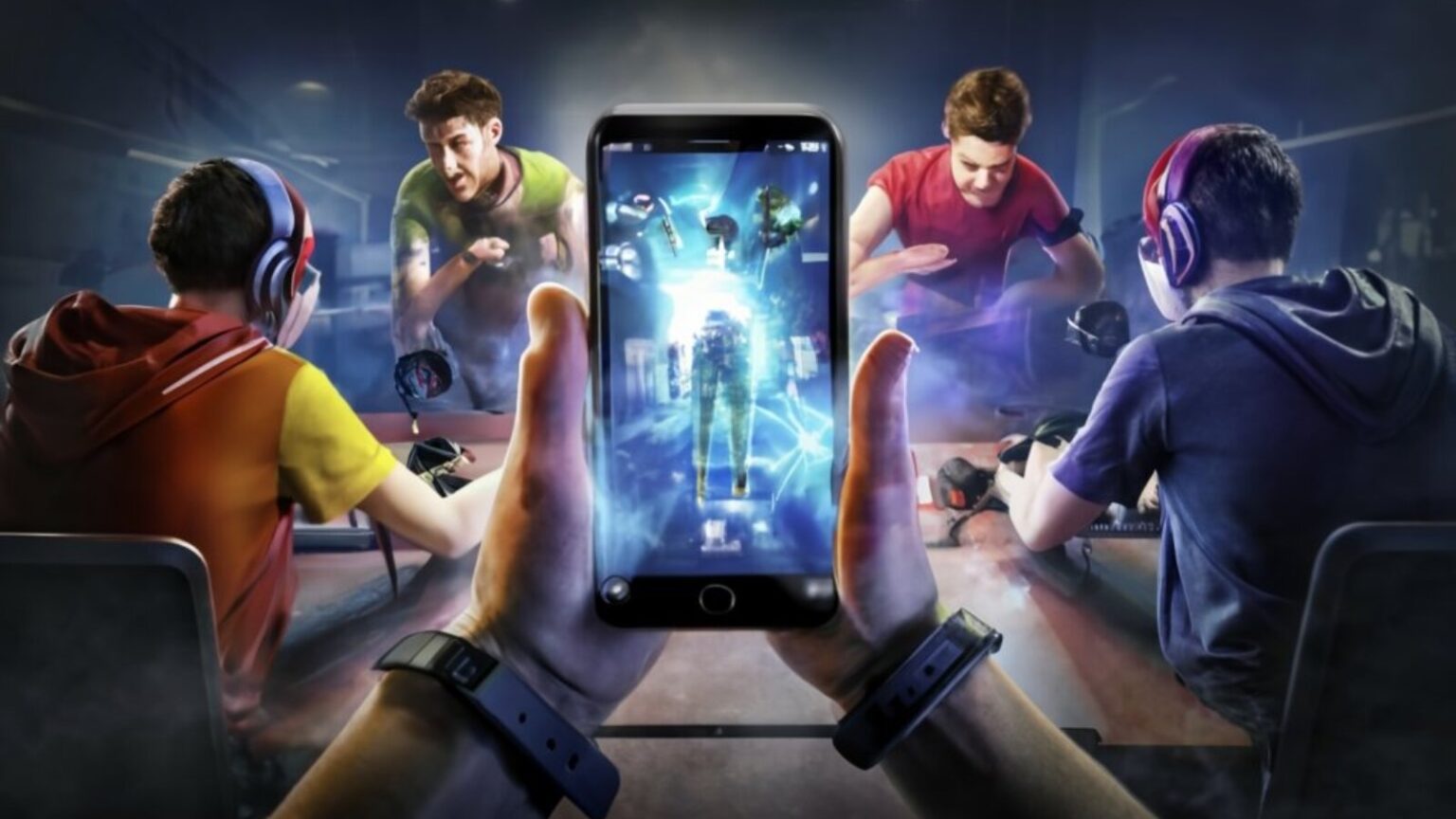
With more than 2.5 billion players globally and annual spending surpassing $150 billion, mobile gaming is no longer a trend — it's a dominant force in digital entertainment. Whether you're testing your luck like Isaac Newton might have tried to win at roulette or exploring open-world adventures on a bus ride home, today’s mobile games go far beyond time-killers. They’ve become full-scale, high-performing digital experiences pushing the limits of graphics, gameplay, and even cloud computing.
In Sweden, where smartphone usage is one of the highest in the world, mobile-first gaming has become the preferred way to play for millions — spanning everything from casino apps and strategy games to esports-ready platforms and cross-device streaming.
So how did we get here? And more importantly — what does the future of mobile gaming look like?
Mobile Gaming Is No Longer “The Future” — It Is the Present
Just a few years ago, mobile games were still viewed as a secondary form of gaming, a lighter alternative to consoles and PC titles. But those days are long gone. By 2019, mobile already represented 45% of the entire gaming industry’s revenue, according to the Global Games Market Report.
Today, mobile games are:
-
More profitable than console or PC titles
-
Driving innovation in cloud gaming and cross-platform tech
-
Increasingly social, competitive, and customizable
-
Supported by global companies like Tencent, Microsoft, and Sony
-
Powered by devices with console-level performance
And perhaps most importantly: mobile isn’t just “casual” anymore. Many of the world’s most active and profitable game ecosystems — from Candy Crush to Call of Duty Mobile — live entirely on smartphones.
The Role of Streaming: From Consoles to Phones
One of the most important shifts in gaming is the move from offline installs to real-time streaming. Services like Xbox Cloud Gaming, NVIDIA GeForce Now, and PlayStation Remote Play are turning phones into portable gaming systems capable of running titles that once required high-end hardware.
According to Microsoft’s Phil Spencer, the future is not about selling consoles, but selling access to games. So the next phase of mobile gaming is not about apps — it’s about platforms.
Game Pass, for example, already lets Swedish users play console titles through the cloud without ever owning a console. The same approach is being adopted by indie services and casino operators too.
Casino Apps and iGaming on Mobile Devices
Online casinos were among the first to adapt to this shift. Swedish and European casino operators quickly understood that a huge portion of players wanted to bet, spin, and play cards directly from their phones — not desktop browsers.
Today, almost all major casino platforms offer:
-
Native apps for Android and iOS
-
One-tap deposits via Swish, Trustly, or Apple Pay
-
Live dealer games streamed in HD
-
Instant-play slots and table games with no download required
Mobile casino gaming is so successful that it’s influencing app development across the entertainment industry.
Why Mobile Is Growing So Fast
Here are the 5 main drivers behind mobile gaming dominance:
| Factor | Impact |
|---|---|
| ? Global smartphone access | Gaming available to billions worldwide |
| ⚡ 5G and high-speed networks | Enables streaming, multiplayer, and cloud gaming |
| ? Free-to-play model | Players spend inside games, not on upfront fees |
| ? Social gameplay | Live chat, co-op missions, and esports |
| ? Habit formation | Quick sessions fit modern lifestyle patterns |
More than ever, mobile is built around flexibility — not the “sit down and play for hours” model of old-school gaming.
Game Studios Are Redesigning for Mobile First
Major game developers used to treat mobile as a “spin-off” platform, creating watered-down versions of big games. Today, it’s the opposite: many popular franchises now begin on mobile.
Examples:
-
League of Legends → Wild Rift (mobile-optimized MOBA)
-
PUBG → PUBG Mobile (most watched esports title in the world)
-
Pokémon → Pokémon GO (AR-driven social mobile hit)
-
FIFA → EA FC Mobile (more players than console version)
Instead of asking “How do we shrink the game?”, studios now ask “How do we grow it for touchscreen play, micro-sessions, and real-world connectivity?”
The Business Side: Acquisitions and Growth Signals
Mobile gaming is no longer a “side industry” — it’s a global market driver. In 2020, Zynga bought Turkish studio Peak for €1.6 billion, signaling how much value is now placed on mobile-first intellectual property.
Other big acquisitions and investments followed:
-
Microsoft and Tencent buying cloud gaming platforms
-
Netflix building a native mobile game library
-
Casino operators acquiring independent mobile slot developers
These shifts mark a new era: whether gambling, adventure, sports, or puzzle games — the money is clearly on mobile.
The Rise of Mobile-Optimized Hardware
Another sign of this evolution: more and more smartphones are being designed specifically for gaming. Not just flagship devices, but hardware with:
-
120Hz refresh rates
-
Advanced cooling
-
Haptic feedback engines
-
Built-in streaming and casting tools
-
Custom GPU optimization
Whether it’s ASUS ROG Phone, Xiaomi Black Shark, or even Samsung Galaxy Ultra series — your phone is no longer just a communication tool. It’s a gaming device.
Final Thoughts: The Real Future of Mobile Gaming in Sweden
So where do we go from here? When you combine streaming, mobile-first game design, casino gamification, and cross-device platforms, one thing becomes clear: mobile gaming won't replace traditional gaming — it will absorb it.
Players will continue using consoles and PCs, but they’ll expect everything to be playable anywhere — and that includes future iGaming and gambling ecosystems. We may even see a world where playing on-the-go becomes a primary income source, a trend already explored in the idea of gambling as career.
Mobile isn’t the future — it’s the foundation. And for Sweden, one of the world’s most mobile-first countries, the next decade will be even more connected, social, and game-driven.